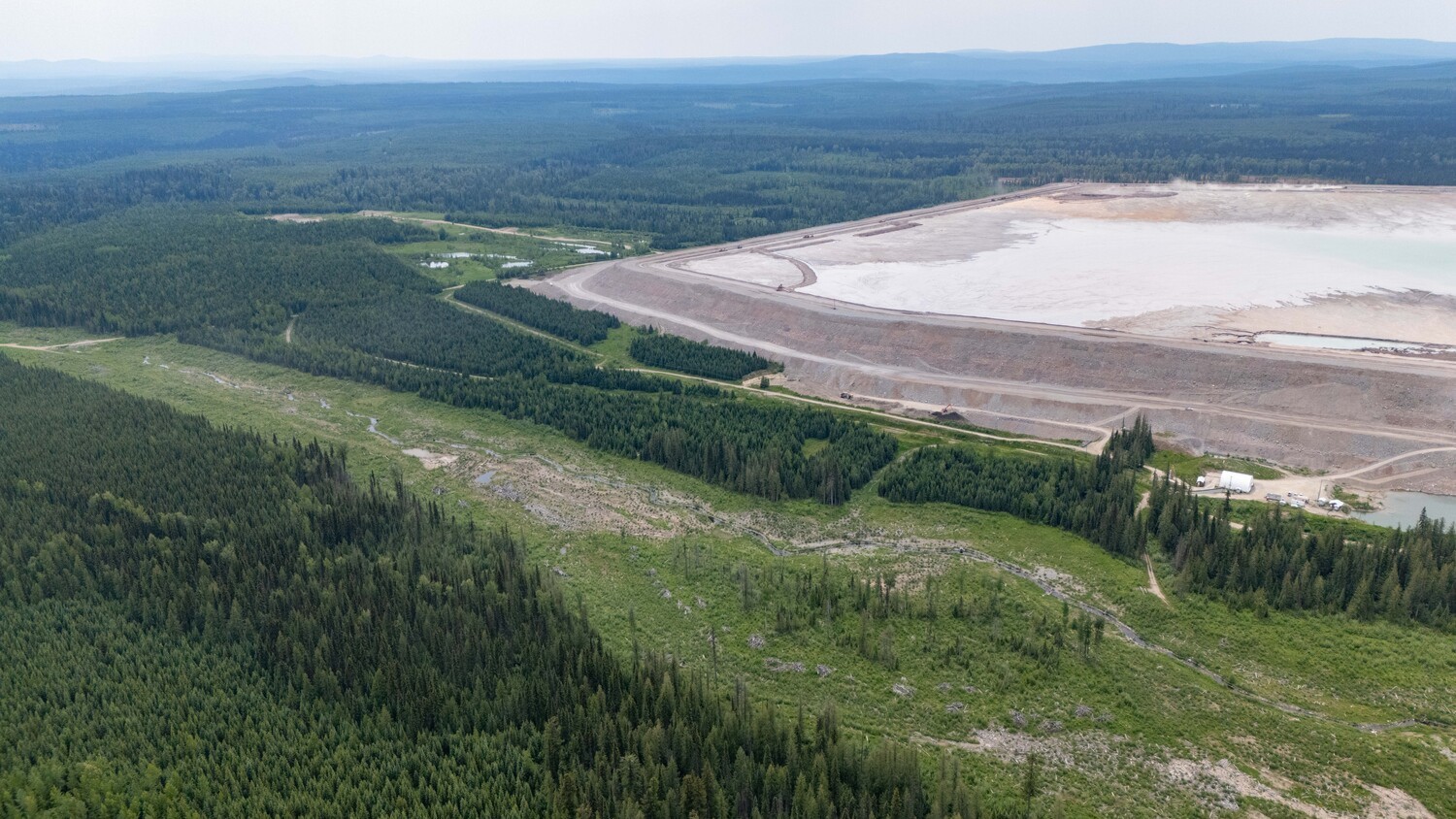

British Columbia has approved an expansion project at the Mount Polley Mine, about 56 kilometres northeast of Williams Lake.
B.C’s Ministry of Environment and Parks said Thursday a consent order was issued to the open-pit copper and gold mine to deepen its Springer Pit.
The ministry said the decision followed a year-long review by the Environmental Assessment Office.
If all authorizations are received, the expansion would extend the mine’s operations to 2033.
The proposed expansion project also includes expanding a rock disposal area and placing potentially acid-generating rock into the site’s old Cariboo Pit. It also includes continued discharge of treated water into Quesnel Lake, which was previously authorized by the environment ministry.
The release said environment minister Tamara Davidson and mines minister Jagrup Brar are satisfied that environmental and safety issues have been thoroughly assessed. They found proposed changes aren’t likely to cause further significant impacts as it will remain within the mine’s current footprint.
Mount Polley was the site of a catastrophic tailings dam breach in 2014, considered one of the worst mining disasters in Canadian history. The breach sent about 17 million cubic metres of water and eight million cubic metres of waste material into nearby waterways.
The mine resumed full operations in 2016 under a revised Mines Act permit.
The latest approval comes about three weeks after the B.C. Supreme Court rejected a challenge by the Xatśūll First Nation.
The First Nation said the province didn’t follow the required environmental assessment process before authorizing the mine’s bid to raise the height of its tailings dam.
The province said the corporation had requested the height increase be approved before the full Springer Pit expansion review was complete to ensure extra capacity was available on an interim basis if needed during the spring runoff.
The provincial court found the approvals authorizing the project were reasonable and correct, and found that the consultation process with First Nations met the required legal standard.
Xatśūll First Nation said it was disappointed with the decision, saying their community is still living with the impact of the 2014 disaster.