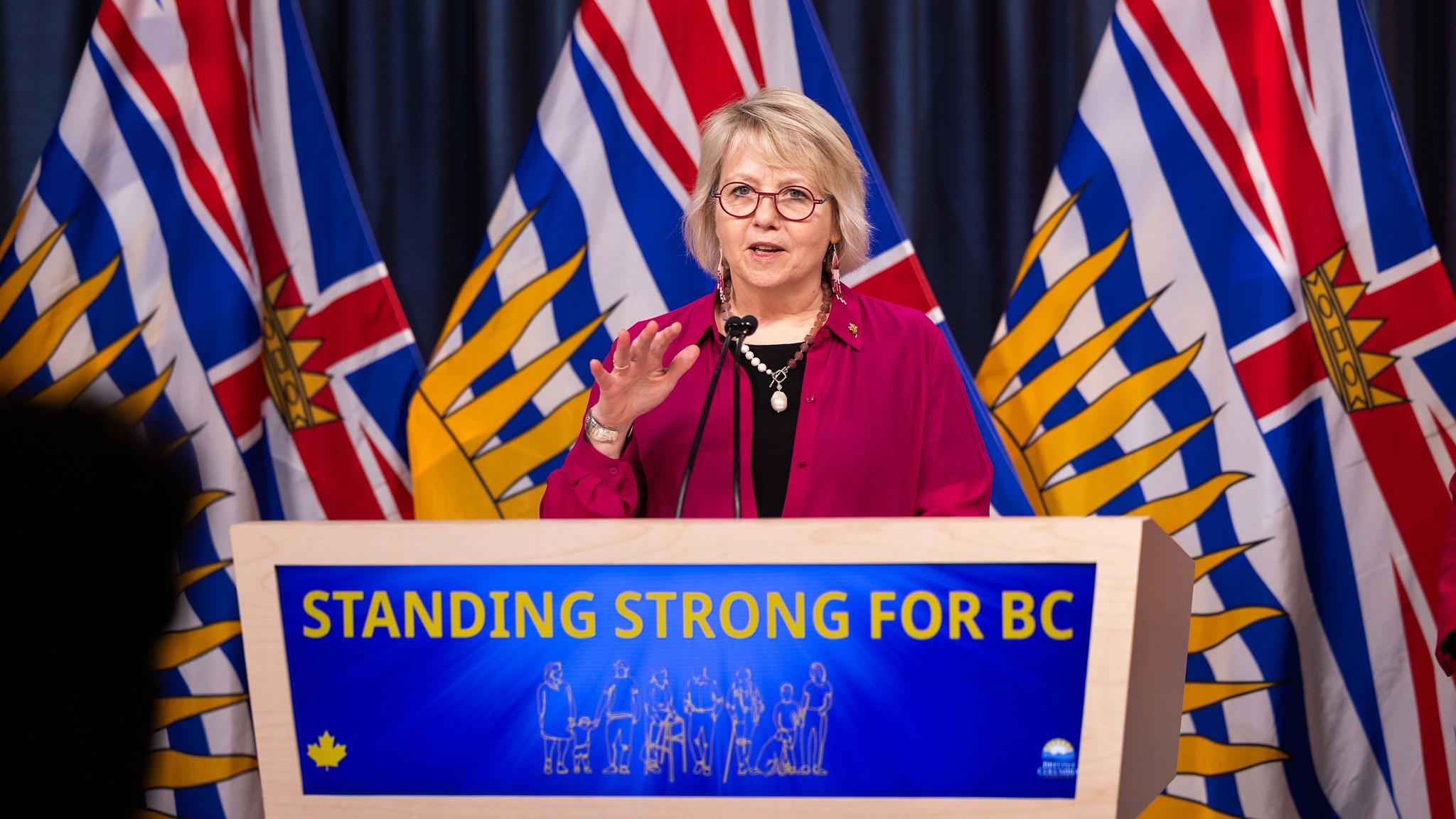

British Columbia’s flu season is off to an early start, but provincial health officer Dr. Bonnie Henry said it is too early to tell whether the season will be more severe than usual.
Henry said Wednesday influenza cases are starting to increase, particularly among children as students returned to classrooms this fall.
“COVID is sort of grumbling along and just starting to uptick, and so far RSV has been relatively low across the province,” she said.
Henry said officials can often get an indication of how the respiratory season might play out by monitoring the southern hemisphere, but she said this year it was not very helpful.
“It was very varied across the southern hemisphere with Australia, New Zealand having relatively late but quite severe seasons and most of South America having varied influenza seasons, particularly,” said Henry.
She said vaccination remains the best way to reduce the risk of severe illness and encouraged people to get updated influenza and COVID-19 vaccines this fall.
“Getting immunized against influenza and COVID we know reduces the risk of severe disease, complications, hospitalizations. It also helps keep our health care system from becoming overwhelmed, which often happens in the winter, and prevents those who may be especially susceptible from getting sick,” said Henry.
Influenza and COVID-19 vaccine appointments will begin as early as Oct. 13, starting with people at the highest risk of infection or severe illness.
The province said notifications will expand to the general population in early November.
Seniors aged 75 and up and Indigenous adults aged 60 and up are also eligible for the RSV vaccine this year.
Henry said there will be two mRNA vaccines available for COVID this fall, in addition to a protein subunit-based COVID vaccine called Nuvaxovid for those who request it.
She said the vaccine is highly effective but has not been widely available in Canada in recent years, but B.C. has limited doses available this year for people who can’t take an mRNA vaccine or would prefer not to.
Henry also urged people to wash their hands regularly, monitor for signs of illness and stay home if they are sick.