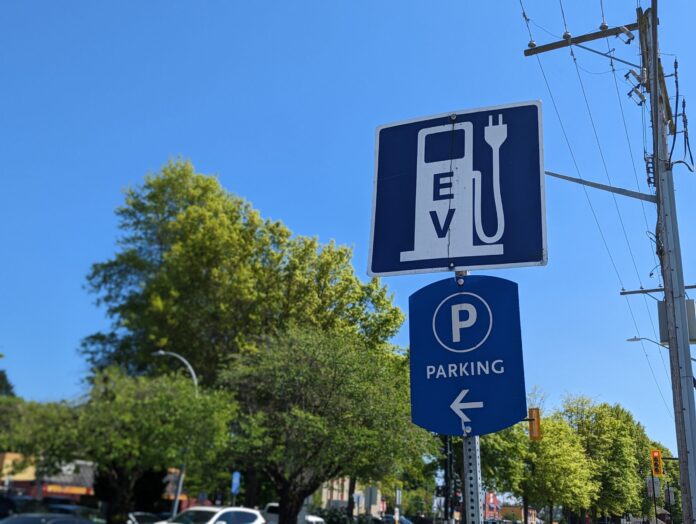

The B.C. government and BC Hydro said they will add 3,500 public electric-vehicle charging ports by 2035, more than tripling the utility’s existing public charging network.
The expansion, backed by a $700-million investment, is intended to meet growing demand for public charging as more British Columbians switch to electric vehicles. BC Hydro said it will build new charging hubs in communities across the province, along major highways and in high-demand urban areas.
Energy and Climate Solutions Minister Adrian Dix said the expanded network will make charging more convenient and reliable for drivers.
“As conflicts overseas increase pain at the pumps here at home, more British Columbians are switching to electric vehicles,” Dix said. “We need to make sure they can count on a charging network that is convenient and reliable. By dramatically expanding access to electric vehicle (EV) charging, we’ll help make it easier to choose a car that cuts pollution and saves families money every time they get behind the wheel.”
BC Hydro said its public fast-charging network currently includes 917 charging ports at 190 locations across B.C. The utility plans to increase that total to 3,500 ports by 2035 through a phased expansion over the next decade.
The utility said the expansion will include larger charging hubs, standardized site designs and faster charging technology aimed at improving reliability and reducing wait times during peak travel periods.
Charlotte Mitha, president and CEO of BC Hydro, said the investment is designed to keep pace with increasing demand for electric vehicles.
“British Columbians are adopting electric vehicles at one of the fastest rates in North America, and we’re building the charging network needed to support that growth,” Mitha said. “By expanding to 3,500 charging ports, introducing faster charging technology and creating more reliable, customer-focused charging hubs, we’re giving EV drivers confidence they can have dependable charging wherever their journey takes them in B.C.”
Mitha said BC Hydro’s new standard for public fast charging will be 200-kilowatt chargers, while 400-kilowatt ultra-fast chargers will be installed at selected high-demand locations.
The utility said new charging sites will feature standardized layouts intended to improve accessibility, simplify maintenance and create a more consistent customer experience. Some locations will include amenities such as washrooms, canopies and digital signage.
The project builds on B.C.’s Electric Highway, a network of fast chargers located about every 150 kilometres along major highways and travel corridors.
In addition to BC Hydro’s expansion, the provincial government said applications are open for the CleanBC Go Electric Public Charger Program. The program will invest about $18 million in new public fast chargers, with priority given to Indigenous, rural and northern communities, as well as other areas where demand for charging is high.