
Nurses in British Columbia could take job action as soon as Thursday after the B.C. Nurses Union (BCNU) issued a 72-hour strike notice.
BCNU said Monday that nurses will be in a legal position to begin job action on July 2 at 12:01 p.m.
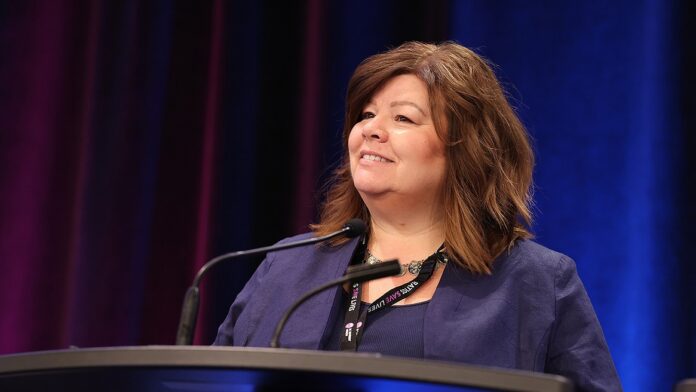
“No nurse takes this step lightly, and no nurse wants to see disruption in care,” said President Adriane Gear in a press conference.
Gear said the Health Employers Association of B.C. (HEABC) had requested to continue discussions.
“The government has the opportunity to act now to alleviate further escalation,” said Gear.
For essential services such as nursing, the B.C. Labour Relations Board mandates minimum levels of service that must be maintained during job action.
Gear said job action could include refusing non-nursing duties, restricting overtime, and potentially withdrawing labour in certain cases.
Union members voted more than 98 per cent in favour of strike action in May.
A tentative agreement was reached with the province on May 22, but 67 per cent of members voted to reject it.
“While the tentative agreement saw improvements to benefits and shift premiums, nurses have made it clear it did not go far enough – particularly when it comes to securing a general wage increase that recognizes the vital role nurses play in sustaining a health-care system that is operating beyond its limits,” said a BCNU statement.
Gear said the provincial mandate for public sector bargaining doesn’t address the concerns that nurses have brought forward.
She said nurses understand the current financial difficulties the B.C. government is facing, which include a whopping $13.3 billion deficit this fiscal year.
“However, this government has shown it can find resources when something is a priority,” said Gear. “For example, over half a billion dollars spent on private agency nursing, or hundreds of millions to host an international sporting event.”
The HEABC said in a statement it’s available to meet with the union at any time to find a path forward.
“HEABC is aware that the Nurses’ Bargaining Association has decided to issue 72-hour strike notice and potentially take job action. While we respect their decision, we believe that returning to the bargaining table is the most effective way to resolve outstanding issues while minimizing the impact on the people of BC,” it said.
“BC has essential services orders in place for the health sector to prevent immediate and serious danger to the health of the public in the case of any job action.” it added.
B.C. Health Minister Josie Osborne said in a statement Monday the province respects the decision by union members to take job action.
“People will continue to get the health care they need. The Labour Board has robust processes in place to thoughtfully set what constitutes an essential service,” said Osborne.
“The best agreements are found at the bargaining table. These negotiations are important and sensitive, and we want to give the Health Employers Association and the Nurses Bargaining Association space,” she said.