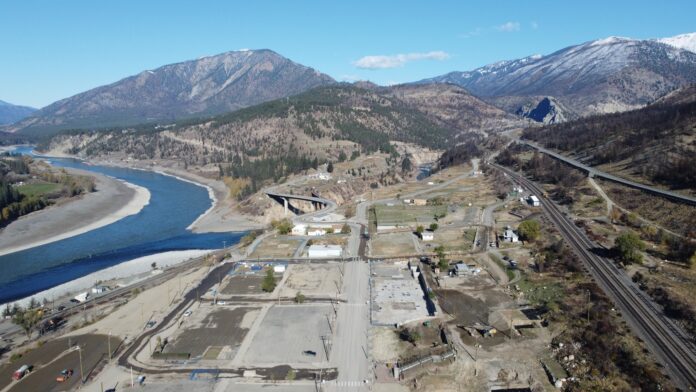

British Columbia’s auditor general said a lack of collaboration and oversight by the provincial government hindered the Village of Lytton’s recovery from a devastating wildfire.
The wildfire hit the small southern Interior community on June 30, 2021, killing two people and destroying 90 per cent of the village and dozens of homes on Lytton First Nation reserves.
Auditor General Bridget Parrish said in a report released Tuesday that her office began an examination after members of the public and MLAs voiced concerns about the time and cost of the wildfire recovery effort. The report looked at the period from the start of the fire to March 31, 2025.
Parrish said the community’s recovery was complex, involving widespread damage to infrastructure, environmental contamination and disputes over archaeological work.
“Most residents either didn’t have fire insurance or were underinsured, which meant they couldn’t fund the necessary work on their properties and start rebuilding,” said Parrish.
She said Lytton wasn’t able to administer and fund the recovery on its own, and at the time the province didn’t have a comprehensive legal framework to guide disaster recovery.
Parrish said the province also failed to effectively collaborate on recovery with the Nlaka’pamux Nation.
“This was a missed opportunity to advance reconciliation, and for the village to benefit from sharing the recovery work with its neighbours, the Lytton First Nation.”
The report also highlights a lack of provincial oversight of the more than $60 million in funding provided to the village for recovery. It said the village did not submit all required spending reports for 2022 and 2023.
“This lack of reporting meant that the province could not say with certainty how provincial funds were spent during that period,” said Parrish.
She said the province launched an investigation to try to determine where some of that funding went. She said high turnover among village staff may have led to poor record-keeping, and the province didn’t find any sign that the funds were misused.
“The records were just not there,” said Parrish.
The province passed the Emergency and Disaster Management Act more than two years after the fire, in November 2023. The act includes recovery powers for both local authorities and the province, and requirements for local authorities to work with Indigenous governing bodies on emergency plans.
“The situation in British Columbia has changed since the fire in Lytton,” Premier David Eby told reporters Tuesday morning.
He said legislation now requires the province to have conversations with First Nations before an emergency happens, rather than during or after an incident.
“This hopefully will be just one of the many improvements that have come about, hard lessons learned through the events and the terrible loss of property that took place in Linton following that devastating fire,” said Eby.
The auditor general’s report suggests the province consider how to anticipate disaster recovery in communities with low cash reserves and develop a framework for assessing a local government’s ability to lead its own disaster recovery.
It also said the province could develop agreements with Indigenous governing bodies under the Emergency and Disaster Management Act.