

Harm reduction advocates say British Columbia’s decision to end its decriminalization pilot marks a major setback for drug policy in Canada.
Health Minister Josie Osborne said Wednesday the three-year pilot didn’t have the results the province hoped for. She said B.C. won’t ask Ottawa for an extension after it expires on Jan. 31.
The province said the pilot was aimed at reducing stigma around substance use and getting more people into treatment.
Speaking to reporters Thursday while in India for a trade mission, Premier David Eby said his government made the decision not to continue the program after hearing concerns from British Columbians about increased public drug use. He said the pilot couldn’t be continued in its current form.
“We can’t have people smoking crack in a Tim Horton’s,” said Eby.
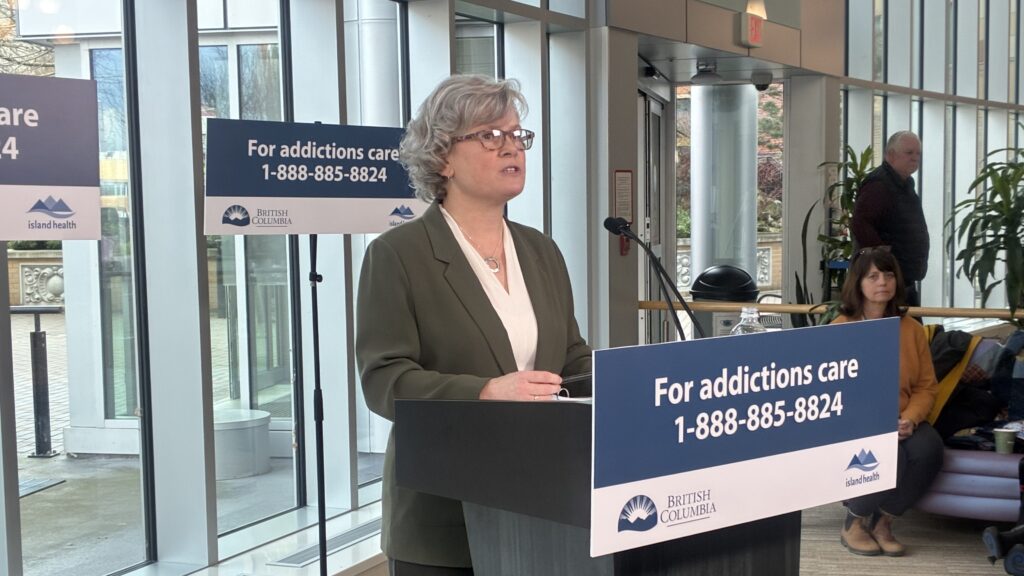
B.C. is the only province to have been granted a federal exemption to the federal Controlled Drugs and Substances Act. It took effect in January 2023, removing criminal penalties for the possession of up to 2.5 grams of certain drugs.
When developing the model, B.C. referenced successful decriminalization efforts in other countries like Portugal.
The program initially had the cautious support of police organizations and municipalities, but the tide soon changed amid mounting concerns about public drug use and street disorder.
In May 2024, the federal government approved B.C.’s request to make any amount of drug possession in public illegal again. Since then, small amounts have only been permitted in private homes, shelters and treatment centres.
That same month, Ottawa rejected a similar request from Toronto to decriminalize small amounts of drugs for personal use in the city — a request the Ontario government opposed.
Ontario Premier Doug Ford pointed to B.C.’s program, saying the province would never decriminalize “hardcore drugs” as long as he’s premier.
Andrew Chan, president of the B.C. Association of Chiefs of Police, said in an interview the association supports the decision not to continue the program. He said it had some “unintended consequences,” citing an increase in open-air drug use, public safety concerns, and a loss in confidence in the police.
Chan, who is also a deputy chief constable with the Vancouver Police Department, said he doesn’t expect to see a return to decriminalization in its current form.
“We’ve always said that ‘decrim’ on its own wasn’t going to solve the problem, and that certainly wasn’t the case,” he said.
Chan said police leaders will continue to advocate for increased investments in treatment, recovery, other types of harm reduction services.
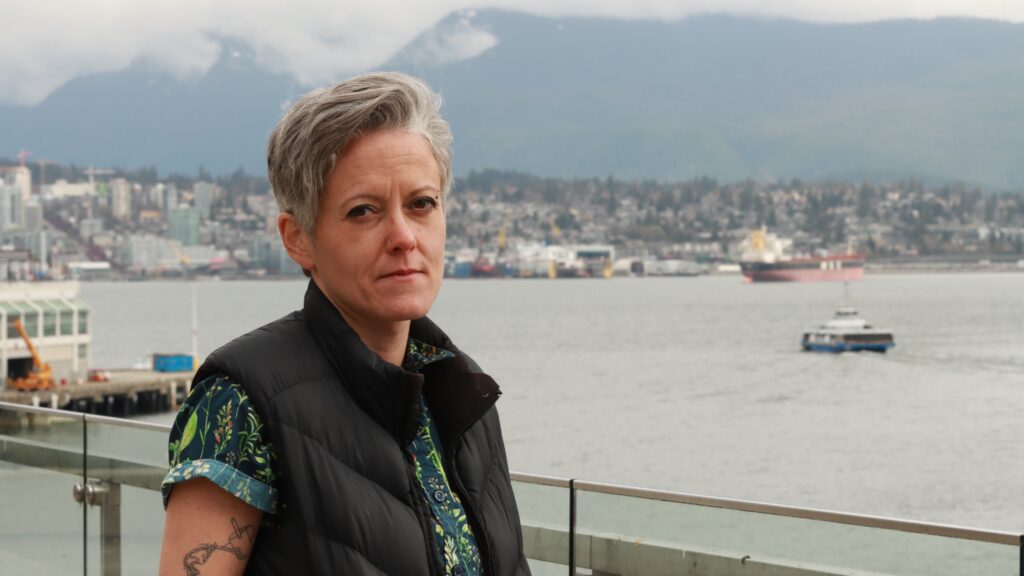
DJ Larkin, executive director of the Canadian Drug Policy Coalition, said many other jurisdictions were keeping an eye on B.C.’s pilot.
“It is extremely important right now to not be allowing people to say decriminalization failed,” said Larkin. “It didn’t. It just wasn’t politically supported in the way that it needed to be.”
Larkin said decriminalization is an essential piece of the puzzle of addressing drug use and access to care.
“B.C. backtracking could set us back across multiple jurisdictions for a number of years,” said Larkin.

Osborne noted Wednesday that possession offences and drug seizures fell during the pilot, and the province saw more people accessing treatment sites. But she said it is difficult to attribute any outcome solely to decriminalization.
A 2024 report by researchers at Simon Fraser University, based on interviews with dozens of people who use drugs, found some experienced better job security and social connection because of decriminalization.
It said many still felt societal stigma and shame around substance use, and more strategies were needed to alter deeply rooted stigma over the long-term.
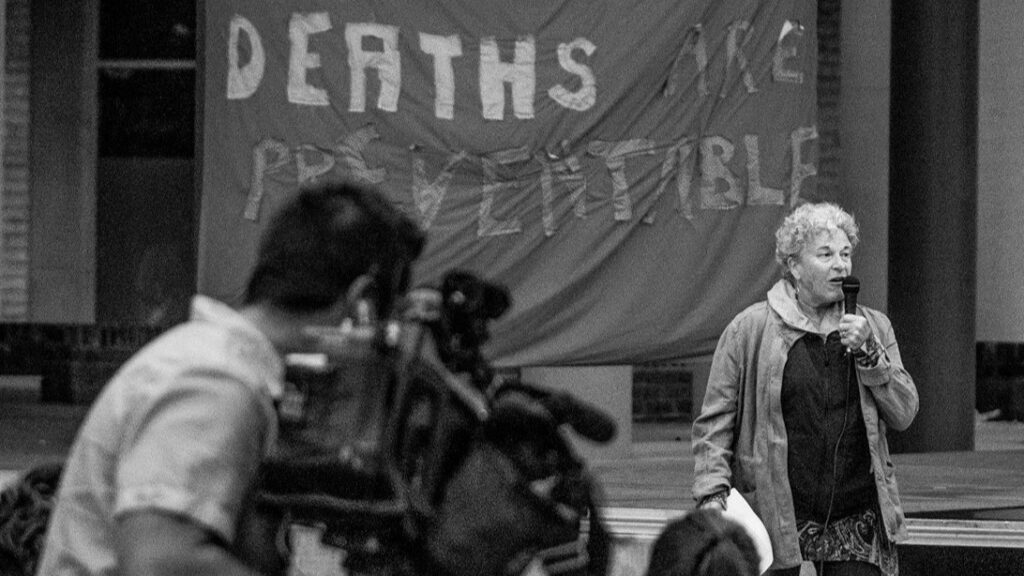
Leslie Mcbain is a co-founder of Moms Stop The Harm and a caregiver lead at the B.C. Centre on Substance Use. Mcbain said she was disappointed, but not surprised that the B.C. government decided not to continue the pilot. She believes the decision was politically motivated.
Mcbain said the government should have focused more on educating the public about decriminalization.
“There was a tremendous amount of misinformation and people getting it wrong,” she said.
“The original concept of decriminalization, the goals were to keep people out of the criminal justice system, to help people connect with services and to reduce stigma. The stigma part of it can only come with the education of the public on drug use,” said Mcbain.
She said increased homelessness is also a factor in concerns about public drug use.
The results of B.C. Housing’s latest point-in-time count, released in October, found homelessness rose in more than half of the 20 communities surveyed.
“Decriminalization was never meant to solve the whole problem of the toxic drug crisis,” said Mcbain. “It was a fairly small step to support the lives of people who use drugs.”
The post End of B.C. drug decriminalization pilot marks a setback for drug policy reform in Canada, say advocates appeared first on AM 1150.