
British Columbia’s decriminalization pilot will come to an end after this month.
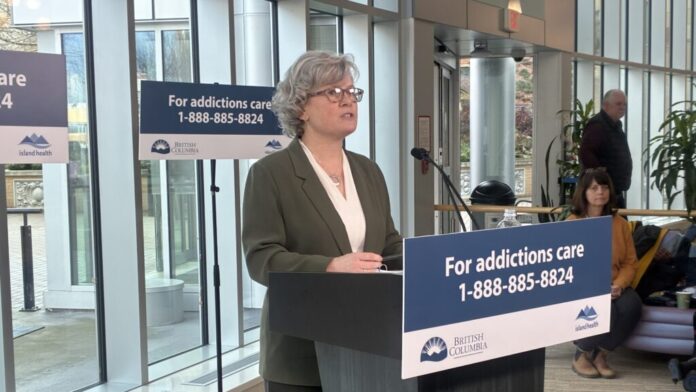
Health Minister Josie Osborne said Wednesday the pilot didn’t meet expectations and won’t continue after it expires at the end of the month.
B.C.’s three-year exemption from the federal Controlled Drugs and Substances Act came into effect in January 2023. It was aimed at reducing stigma and getting more people into addiction treatment.
It allowed adults to possess up to 2.5 grams of certain illegal substances, including opioids, cocaine, methamphetamine and MDMA. Changes later limited possession to private homes, shelters and treatment centres.
Osborne said the province saw a decrease in possession offences and seizures during the pilot. But she said it’s difficult to measure any outcome in isolation and attribute it directly to decriminalization, such as the number of people seeking treatment.
The B.C. Conservatives and some mayors have said decriminalization has led to increased public drug use and disorder.
“The NDP government has finally admitted what British Columbians have known for years: drug decriminalization didn’t work,” said Skeena MLA and addictions critic Claire Rattée in a statement.
Harm reduction advocates say the pilot did not address the root causes of the toxic drug crisis, and the province should focus on expanding safer supply.
More to come.
The post B.C.’s decriminalization pilot to end this month appeared first on AM 1150.