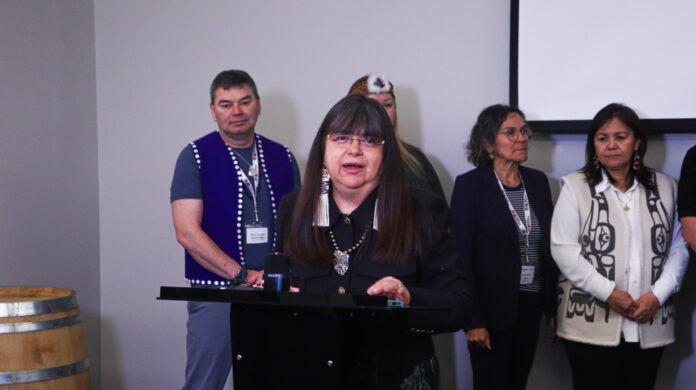

Coastal First Nations (CFN) said they had a positive meeting with Prime Minister Mark Carney on Tuesday, even as the group remains opposed to any moves that would allow oil tankers off British Columbia’s north coast.
Carney met with CFN leaders in Prince Rupert, along with federal Energy Minister Tim Hodgson and Housing Minister Gregor Robertson.
Marilyn Slett, CFN president and elected chief councillor of the Heiltsuk Tribal Council, said the group’s stance on a proposed oil pipeline is unchanged, and they made that clear to Carney.
“We reiterated that there is no technology that can clean up an oil spill at sea, and that it would take just one spill to destroy our way of life,” said Slett.
A federal moratorium on oil tankers has been in place since 2019. It covers the area from the Alaska border down to a point on British Columbia’s mainland across from the northern tip of Vancouver Island, including Haida Gwaii.
A voluntary exclusion zone had been in place since 1985 due to environmental concerns.
Alberta Premier Danielle Smith is pushing for a new pipeline to carry bitumen to the West Coast to sell more oil to Asia. Alberta and Ottawa signed a memorandum of understanding (MOU) in November that included a commitment toward a potential pipeline project.
No route has been confirmed for the proposed project, but Smith has called on Ottawa to repeal the oil tanker ban.
“We heard directly from the prime minister that his government will seek our free, prior, and informed consent regarding any proposed projects in our territories, and that we will co-develop a transparent process moving forward,” said Slett.
Jason Alsop, vice-president of Coastal First Nations and president of the Haida Nation, said the coastal economy contributes more than $3 billion a year and is growing.
“That’s what was important to us to share and to start building a relationship with Prime Minister Carney and his government to expand on that,” said Alsop.
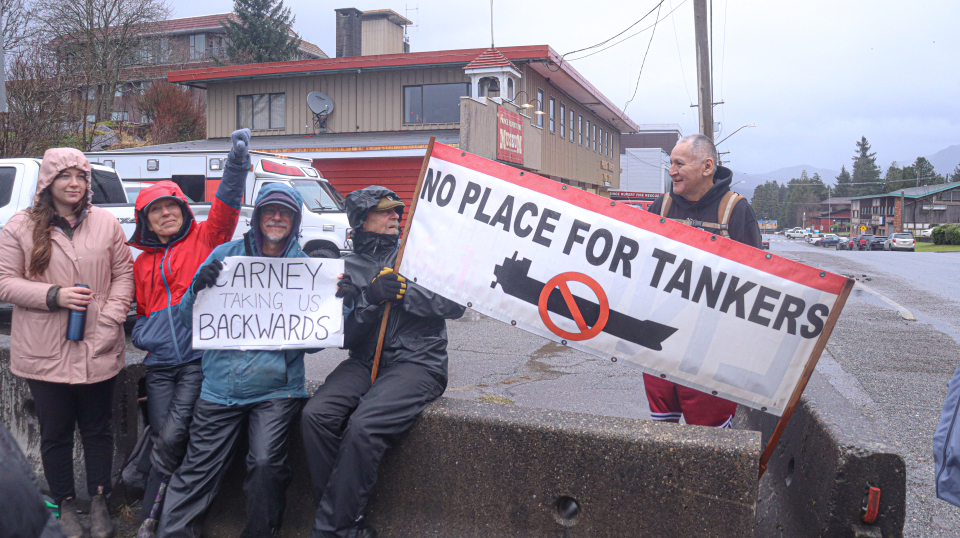
Premier David Eby has repeatedly said that lifting the tanker ban to accommodate a pipeline would jeopardize First Nations’ support for other major projects in the region.
The Ksi Lisims LNG project and LNG Canada Phase 2 are among the projects tapped for potential fast-tracking by Ottawa.
Other projects in the works in the northwest region include Cedar LNG, Kitimat LNG, and natural gas pipelines such as the Prince Rupert Gas Transmission project.
Slett said there are already concerns about the impact of increased shipping traffic from these proposed major projects. She said increased marine response capacity is needed to deal with the added risk.
“We can’t support oil tankers on top of that in any way,” said Slett.
Alsop said the meeting should have happened before the MOU was signed, but he hopes it marks the beginning of continued dialogue with Ottawa.
“Whatever process unfolds has to be factored into this bigger picture of existing traffic, other proposed projects, and the combined risks of all of these things happening together in this fragile, special ecosystem in our territories,” said Alsop.
He maintained there is no scenario in which CFN would support a pipeline project that involves lifting the oil tanker ban.
Slett said if a pipeline project goes ahead without the consent of First Nations, communities are prepared to use “every tool in the toolbox,” including legal challenges.
“But we’re also very reasonable, and we want to work toward an effort going forward that supports partnership and shared objectives instead of obstacles,” said Slett.
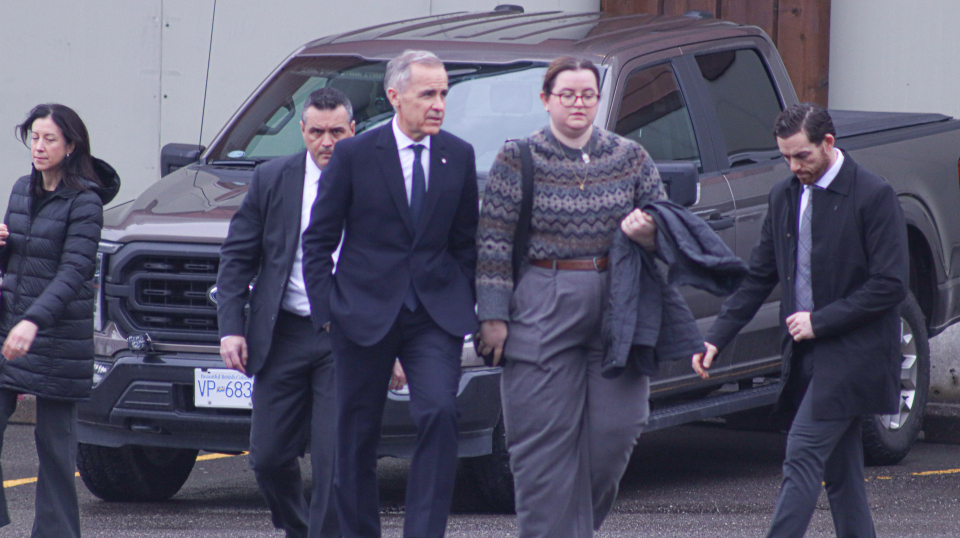
The Prime Minister’s Office issued a statement after the meeting highlighting its commitments to marine protection on B.C.’s coast. Those include funding for a government marine traffic risk assessment study and a pledge to ensure emergency towing capacity is consistent with shipping activity.
It was the first in-person meeting between Hodgson and CFN since backlash over comments he made during a CBC interview in November. In that interview, Hodgson dismissed concerns about the short notice he gave CFN ahead of a proposed meeting, saying, “It’s called Zoom.”
Slett said Hodgson apologized for the comments Tuesday and appeared to listen to the concerns of First Nations leaders during the meeting.
Carney’s visit to Prince Rupert came just before he departed for trade talks in Beijing.
-with files from Kolten Bezooyen
The post Coastal First Nations draw firm line on oil tankers in meeting with Carney appeared first on AM 1150.