
British Columbia is looking to scale back its targets for zero-emission vehicle (ZEV) sales, from its goal of 100 per cent by 2035.
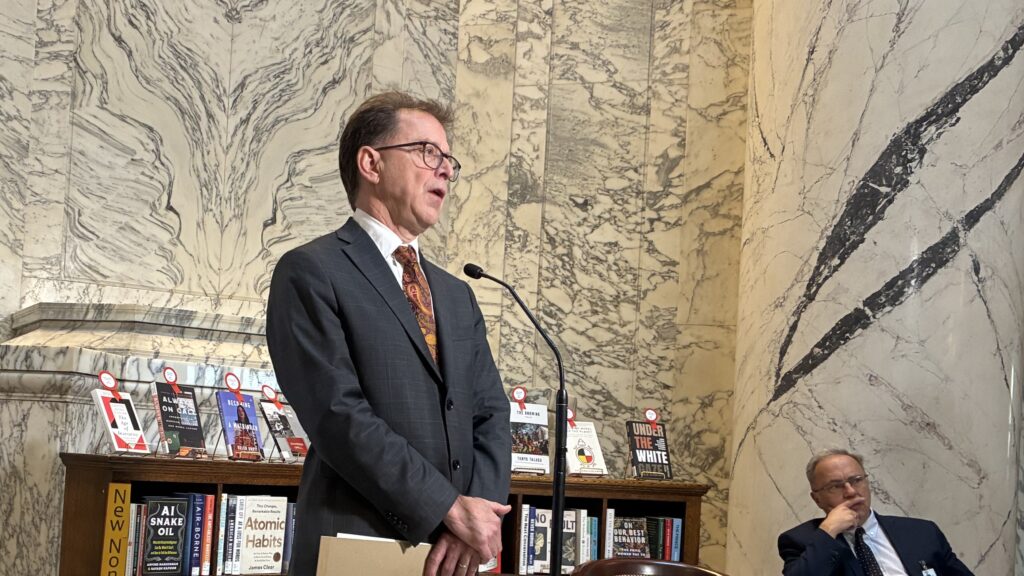
Energy and Climate Solutions Minister Adrian Dix said Tuesday it’s been a “challenging period” for electric vehicle sales and the targets for 2030 and 2035 are no longer realistic.
He said the government will introduce legislation next year that would adjust sales targets to make them more achievable.
Current provincial sales targets require ZEVs to make up 26 per cent of light-duty and Class 2B vehicle sales by next year, 90 per cent by 2030, and 100 per cent by 2035.
Dix said there are more than 200,000 ZEVs on B.C. roads, up from about 5,000 in 2016, according to provincial data.
But affordability concerns and gaps in charging infrastructure are leading to declining sales across the country for ZEVs.
The latest data from Statistics Canada said ZEV sales fell more than 43 per cent in September, compared to the same time last year.
A September report from S&P Global said British Columbians are increasingly opting for hybrids rather than fully battery-power electric vehicles.
B.C. paused its electric vehicle (EV) rebate program in May due to funding concerns, saying it would review the program. The move came just a few months after the federal government ended its rebate program in January.
The New Car Dealers Association (NCDA) of B.C. mourned the loss of the rebate program. The NCDA administered the rebate program on behalf of the province, and said it was successful in incentivizing British Columbians to buy EVs. It said there were more than 109,000 rebates paid out between April 2015 and last December, peaking last year at 25,000.
Dix also pointed to the decline in Tesla sales after the products were dropped from rebate programs in B.C. and other provinces, and more Canadians boycotted the company over CEO Elon Musk’s ties to the Trump administration.
Canada’s 100 per cent tariffs on Chinese EVs also contribute to affordability concerns. Dix said he supports the federal government’s efforts to have cars produced in Canada. But he added the federal government should consider removing some of the barriers to bringing in European EVs.
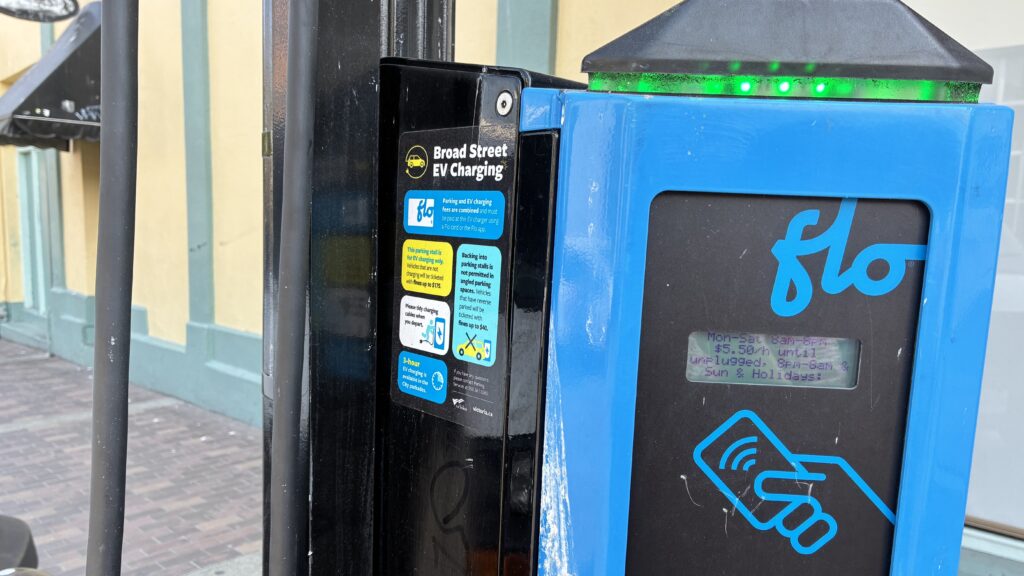
Still, Dix touted B.C.’s role as a top market for EVs, which made up close to 23 per cent of sales last year. He also said the province is on track to meet its goal of having 10,000 charging stations by 2030.
Dix appeared to reject the possibility of bringing back the provincial rebate program, saying he’s hopeful that the federal rebates will be reinstated.
The NCDA called on the province earlier this year to eliminate the mandatory targets and financial penalties for auto makers who don’t meet those targets. They said, without rebate programs, manufacturers are left shouldering the burden of unmet targets.
On Tuesday, the province announced several measures to give automakers automakers more flexibility. They include expanding the range of models that are available for ZEV credits and relaxing requirements for plug-in hybrids and battery-electric vehicles.
A new program next year would also allow automakers to earn additional credits for taking steps to make ZEVs more affordable.
“These are constructive steps that ease immediate pressures,” NCDA President and CEO Blair Qualey said in a statement. “However, they do not go far enough to change the underlying mandates and their negative consequences to consumers and the dealers that serve them, which still require dealers to meet aggressive federal targets at a time when affordability, supply constraints, and varying levels of consumer readiness remain significant challenges.”
Hon Chan, B.C. Conservative MLA for Richmond Centre and climate solutions critic, said Tuesday the EV mandates are unfair to consumers and car dealers.
“Finally we get the [environment] ministry and the minister actually admitting that their target for 2026, 2030 and 2035 is unrealistic and unachievable,” he said.
Chan called on the province to expedite the announcement of the new targets, to minimize uncertainty for dealers.
The post B.C. retreats from target of 100 per cent electric vehicle sales by 2035 appeared first on AM 1150.