
British Columbia’s Health Ministry said that as of Dec. 30, all patients taking prescribed alternatives must do so under the supervision of a health professional, such as a pharmacist or nurse.
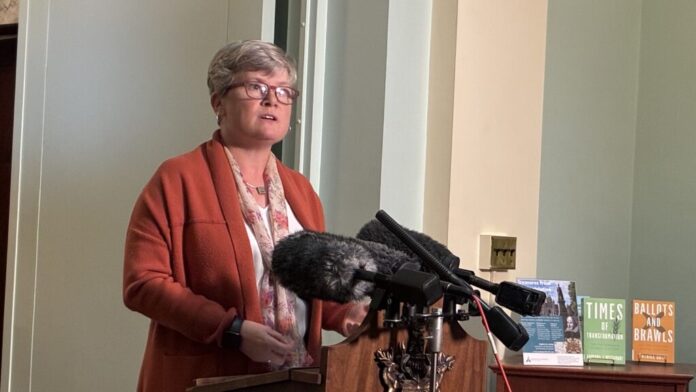
“Prescribed alternatives save lives by separating people at highest risk of overdose from toxic street drugs and predatory drug dealers, and give people a chance to get into treatment,” Health Minister Josie Osborne said in a statement Tuesday.
Osborne first announced changes to B.C.’s Prescribed Alternatives program in February to require witnessed dosing. The new rules went into effect immediately for all new prescriptions, but not for those with pre-existing prescriptions.
Osborne told reporters during an unrelated announcement Monday there was a need for a “sensitive and methodical” approach to transitioning existing patients to witnessed dosing, and the province took time to seek guidance from clinical experts.
The ministry said there will be “limited” exemptions to witnessed dosing for some patients, including for clients from rural, remote and Indigenous communities who do not have routine access to a pharmacy. Regular clinical assessments would be required for patients in those cases to confirm they are taking the prescribed doses.
The changes are intended to ensure those who are prescribed the medications are the ones consuming them. A review of the province’s safer supply programs in 2023 said some diversion of prescribed medications is taking place, but there’s a lack of data on how often it occurs and the impacts. Diversion could include patients sharing or selling the medications or even having them stolen.
The review acknowledged in some cases diversion may benefit those who would otherwise be at risk of drug poisoning, but it said there remains the potential for harm when drugs are taken by those without a prescription.
Drugs provided under the prescribed alternatives program include opioids such as fentanyl, benzodiazepines and stimulants like dextroamphetamine.
The province said hydromorphone is the medication most at risk of diversion. It said prescriptions of hydromorphone through the Prescribed Alternatives program have declined more than 50 per cent from its peak of more than 4,500 clients in March 2023 to approximately 2,200 clients in July 2025.
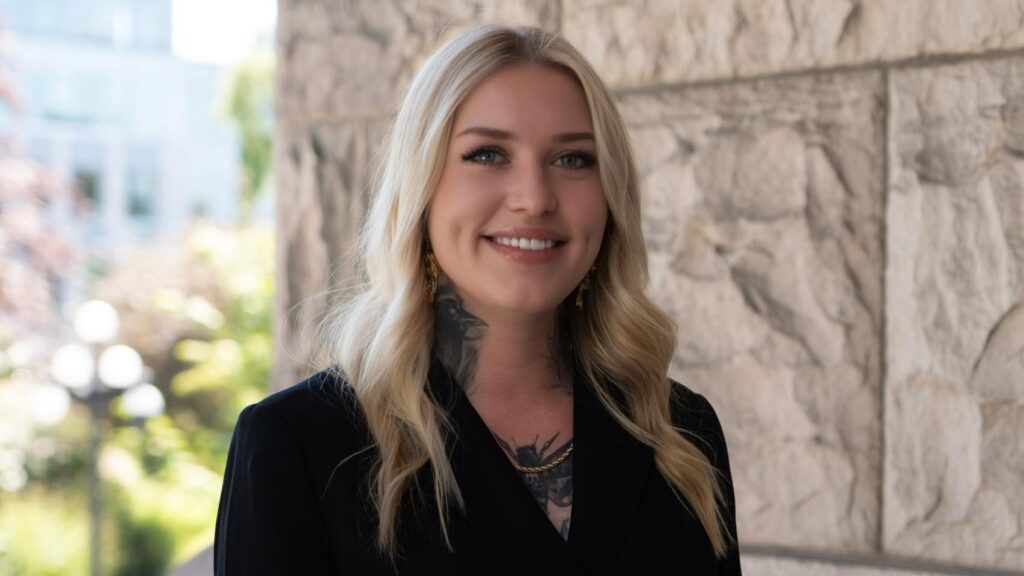
Claire Rattée, Skeena MLA and mental health and addictions critic, said she believes the declining uptake in the programs show how much it was being used for the purposes of diversion.
Rattée said she’s not in favour of the government’s safer supply program or decriminalization in general, but notes the move to witnessed dosing could be an effective harm reduction tool for the moment.
“The government itself has now admitted that they are aware that there’s diversion going on with this program, so it’s a step in the right direction,” she said. “My issue is that this government continually invests in harm reduction without investing in any of the other wraparound supports that are needed to help lift people out from [addiction].”
The B.C. Coroners Service released preliminary data on Tuesday saying 150 people died of unregulated drug toxicity in October.
The province has seen an overall decline in toxic drug deaths this year compared to 2024. An estimated 1,538 people have died between January and October – 459 fewer than at the same time last year.
The B.C. Pharmacy Association said in a brief emailed statement it “supports the Province and Ministry of Health in taking these steps to stop any diversion of prescribed alternatives.”
The province is also developing a new payment system to compensate pharmacies for witnessing doses of prescribed alternatives. The plan, expected to launch in spring 2026, will pay pharmacies a fee for each eligible dose up to a daily maximum. As of Dec. 4, pharmacists are required to keep a written log of each witnessed interaction.
The post B.C. tightens safer supply rules with witnessed dosing for all patients appeared first on AM 1150.